
Do you often finish the workday with a headache, stiff neck or tight shoulders? While stress and long hours at a desk can contribute to tension headaches, sometimes the discomfort may actually be coming from your neck.
Understanding what’s causing your headaches is an important first step toward finding relief. Here’s how to recognize the signs of a neck-related headache and how chiropractic care and massage therapy in Sherwood Park may help.

Tension Headaches vs. Neck-Related Headaches: What’s the Difference?
Not all headaches have the same cause, even when the symptoms feel similar.
Tension headaches are one of the most common types of headaches. They often feel like a dull, steady pressure or a tight band wrapping around your head.
Common contributing factors include:
- Stress and muscle tension
- Poor sleep or fatigue
- Long periods of sitting or working at a desk
- Tension in the neck, shoulders or jaw
Cervicogenic headaches, also called neck-related headaches, are different. Rather than starting in the head itself, the pain comes from structures in the neck and travels into the head. These headaches often affect one side and may become worse with certain neck movements or positions. Because the symptoms can overlap, it isn’t always easy to tell which type of headache you’re experiencing without an assessment.
5 Signs Your Headache May Be Coming From Your Neck
If you regularly experience headaches alongside neck discomfort, your symptoms may offer some clues.
Here are five common signs to look out for:
- Your headache starts at the base of your skull. The discomfort may travel from your neck toward your forehead, temples or behind one eye.
- The pain is mostly on one side. Neck-related headaches often affect one side of the head, although other types of headaches can also cause one-sided pain.
- Certain movements make it worse. Looking down at your phone, turning your head or sitting in one position for too long may increase your discomfort.
- Your neck feels stiff. You might find it uncomfortable to turn your head, check your blind spot while driving or look over your shoulder.
- Your shoulders and upper back feel tight. Muscle tension often occurs alongside neck-related headaches, particularly after long periods of sitting.
When to seek medical attention: If you experience a sudden, severe headache, a headache following a head injury, or symptoms such as vision changes, weakness, numbness, confusion or fever with neck stiffness, seek urgent medical care.
Why Can Neck Tension Cause Headaches?
Think about how much time you spend looking at a screen throughout the day. Between working on a computer, checking your phone and relaxing on the couch, your neck may spend hours in similar positions. When your head stays tilted forward for long periods, the muscles supporting your neck have to work harder. This can contribute to stiffness, fatigue and discomfort.
Other factors that may play a role include:
- Stress: You may tense your shoulders, neck or jaw without realizing it.
- Prolonged sitting: Staying in one position for too long can leave muscles feeling stiff and tired.
- Limited neck mobility: Stiff or irritated joints in the upper neck can contribute to certain headaches.
- Previous injuries: Past neck injuries, including whiplash, may affect how comfortably your neck moves.
While posture isn’t the cause of every headache, paying attention to your daily habits can help you recognize patterns that may be contributing to your symptoms.
How Can Chiropractic Care and Massage Therapy Help?
If headaches are becoming a regular part of your routine, you don’t have to keep guessing what’s causing them.
At Tailor Made Wellness in Sherwood Park, care begins with an assessment to better understand your symptoms, health history and how your neck moves. Depending on your needs, your treatment plan may include chiropractic care, massage therapy or a combination of approaches.
Chiropractic Care for Neck-Related Headaches
Our chiropractic team focuses on how your neck, spine and surrounding joints are moving.
Treatment may include:
- Gentle joint mobilization or chiropractic adjustments, when appropriate
- Activator-assisted techniques
- Soft tissue treatment for tight muscles
- Advice on movement, posture and daily habits
- Exercises to support neck mobility and strength
The goal is to help improve comfortable movement, manage discomfort and address neck-related factors that may be contributing to your headaches.
Massage Therapy for Neck and Shoulder Tension
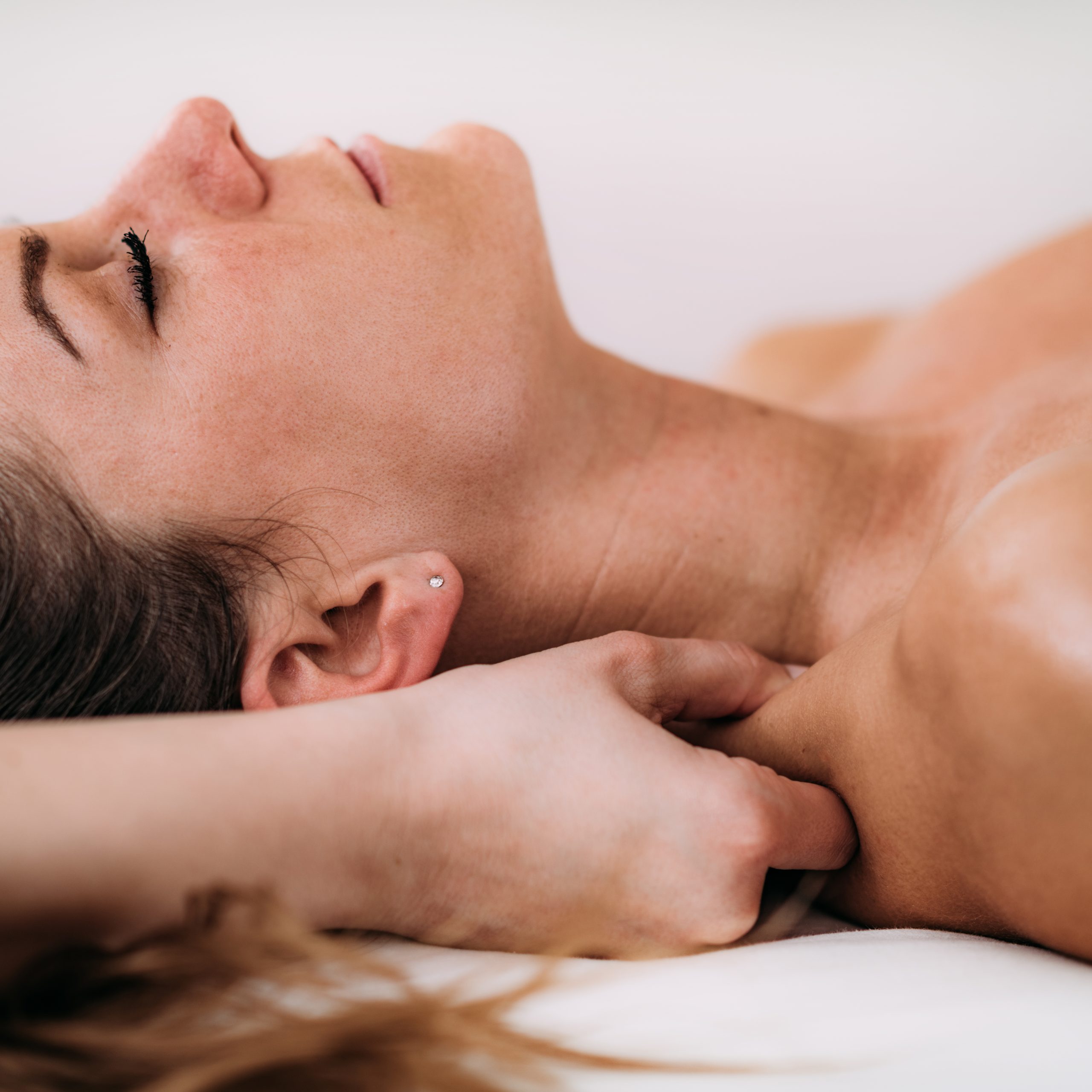
When tight muscles are contributing to your discomfort, massage therapy in Sherwood Park may offer additional support.
Our registered massage therapists use techniques tailored to your comfort and needs, which may include:
- Massage for tight neck and shoulder muscles
- Trigger point therapy
- Myofascial release
- Soft tissue techniques to support relaxation and mobility
Massage therapy may help relieve muscle tension and improve comfort, particularly when stress or prolonged sitting is contributing to your symptoms. Your care team can help determine which treatment options are appropriate for you.
Simple Ways to Manage Neck Tension at Home
Small changes to your daily routine may help reduce neck discomfort and make long workdays more comfortable.
Consider trying these simple habits:
- Take regular movement breaks. Stand up, stretch or walk around throughout your workday.
- Adjust your screen height. Position your monitor so you can look forward comfortably rather than constantly tilting your head down.
- Relax your shoulders. Check in with yourself throughout the day and release any unnecessary tension.
- Try gentle neck movements. Slowly turn your head from side to side, staying within a comfortable range.
- Pay attention to your sleep setup. Choose a pillow that supports your neck in a comfortable position.
If certain movements increase your headache or cause dizziness, stop and speak with a healthcare professional.
Frequently Asked Questions About Neck-Related Headaches
Can tight neck muscles cause headaches?
Yes. Muscle tension in the neck and shoulders can contribute to headaches. In some cases, pain may also be referred from joints and other structures in the upper neck.
How do I know if my headache is coming from my neck?
Neck-related headaches often occur alongside stiffness, reduced neck movement or pain that worsens when you turn your head. An assessment can help determine whether your neck is contributing to your symptoms.
Should I see a chiropractor or massage therapist for tension headaches?
It depends on your symptoms and what may be contributing to them. Chiropractic care may help address neck mobility and joint-related concerns, while massage therapy can help manage muscle tension. Your healthcare provider can recommend an approach based on your needs.
Can sitting at a desk all day cause headaches?
Long periods of sitting, limited movement and sustained neck positions may contribute to muscle discomfort and some headaches. Taking breaks and adjusting your workstation may help.
When should I get recurring headaches checked?
If your headaches are becoming more frequent, affecting your daily activities or changing in how they feel, it’s a good idea to speak with a healthcare professional. New or persistent headaches should be properly evaluated rather than assumed to be caused by neck tension.
Find Relief From Headaches and Neck Tension
Tired of headaches interrupting your day? Book an appointment with our Sherwood Park team and take the first step toward feeling more comfortable. Recurring headaches can make it difficult to focus at work, enjoy your evenings or feel comfortable throughout the day.