
Hockey season in Sherwood Park and Edmonton means early practices, late-night games and plenty of time on the ice. While some soreness is expected, persistent pain could be a sign of a hockey injury that needs attention. So, how do you know when it’s time to see a physiotherapist, and how can treatment support your recovery?
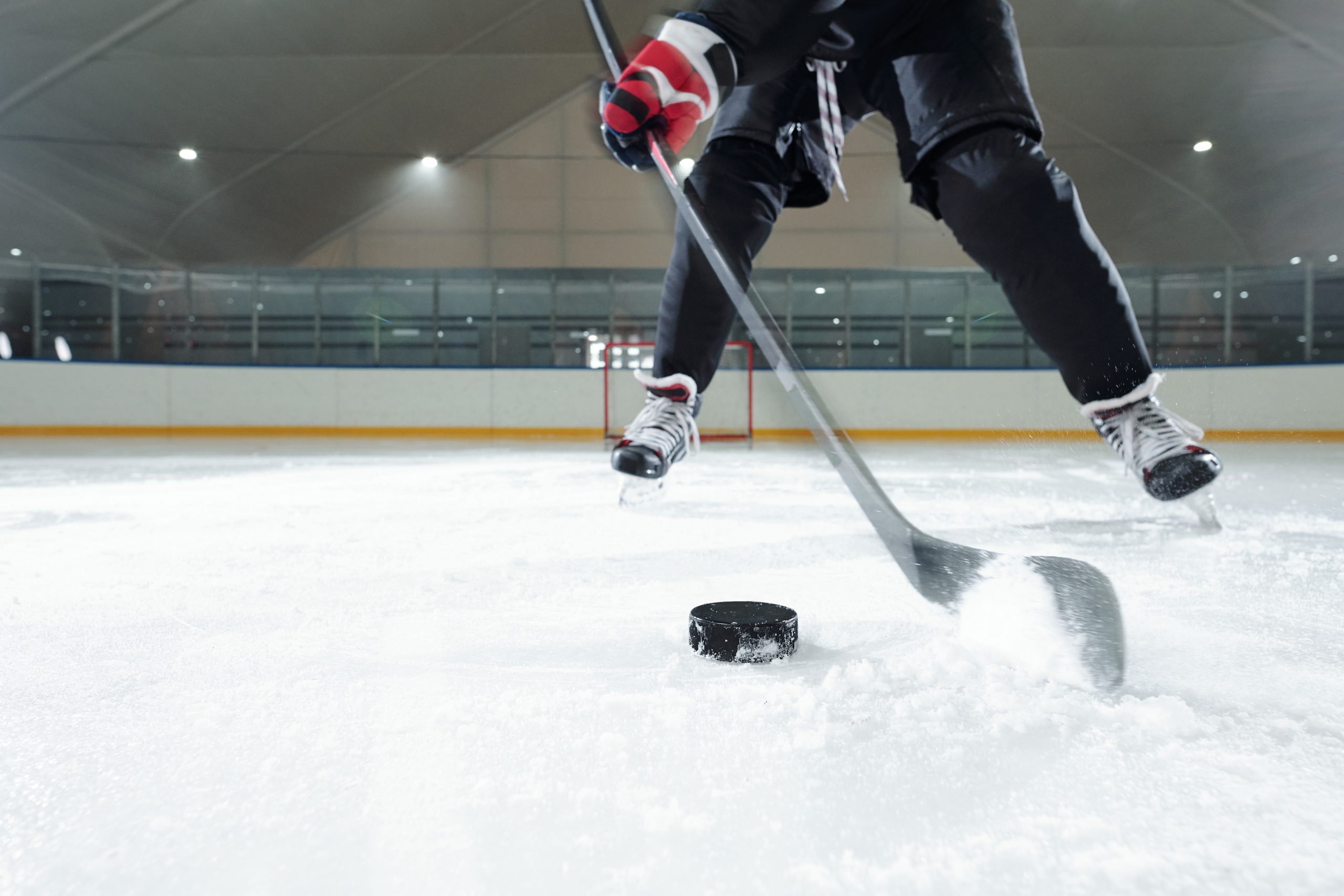
Muscle Soreness vs. a Hockey Injury: What’s the Difference?
Feeling stiff after a long game or intense practice isn’t unusual. Hockey involves quick changes in direction, powerful strides and plenty of physical contact, all of which can leave your muscles feeling tired.
Normal muscle soreness typically:
- Develops within 12 to 24 hours after activity.
- Feels like a dull, general ache in the muscles you’ve worked.
- May peak within 24 to 72 hours.
- Gradually improves with rest and gentle movement.
A hockey injury, however, may feel different. You might notice sudden pain after a collision, discomfort in one specific area or symptoms that worsen when you try to move.
Some common hockey injuries include:
- Groin and hip flexor strains from skating and sudden directional changes.
- Knee and ankle sprains from twisting, awkward landings or collisions.
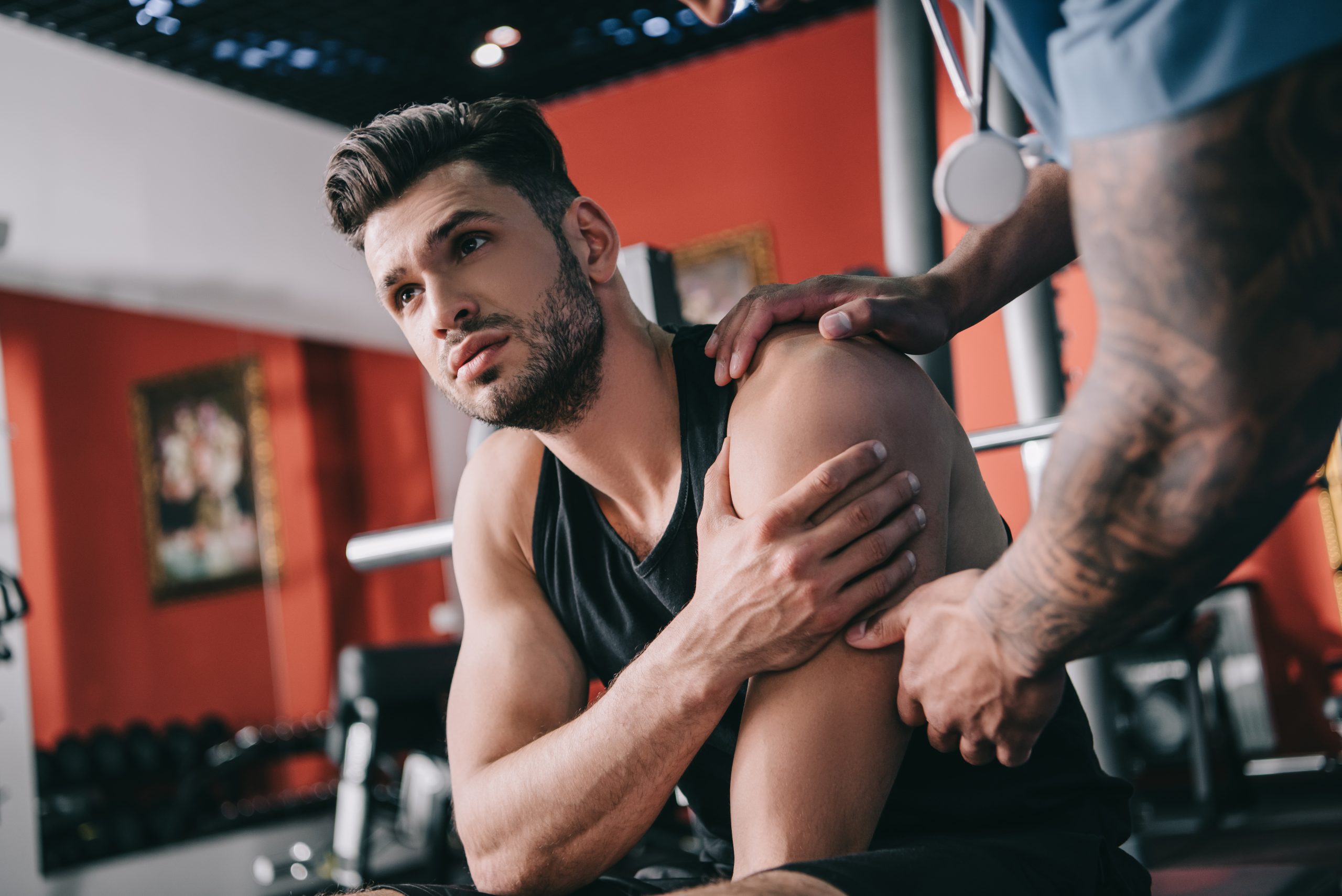
- Shoulder injuries from falls and contact with the boards.
- Lower back pain from repetitive skating movements and prolonged forward-leaning positions.
Not every ache means you’re injured, but persistent or worsening pain is worth paying attention to.
6 Signs You May Need Physiotherapy After a Hockey Injury
Wondering whether it’s time to book an assessment? Here are six signs that your body may need extra support.
- Your pain isn’t improving. Muscle soreness generally settles within a few days. If discomfort continues, gets worse or interferes with daily activities, it may be time to have it assessed.
- You notice swelling or bruising. Swelling around a joint or noticeable bruising after a fall or collision can indicate an injury that needs further evaluation.
- A joint feels unstable. If your knee gives way, your ankle feels weak or you’re hesitant to put weight on one leg, there may be an issue affecting joint stability.
- Your movement feels restricted. Difficulty taking a full skating stride, bending your knee or lifting your arm comfortably can make playing hockey challenging.
- You’re changing how you move to avoid pain. Limping, favouring one side or adjusting your skating technique can place extra stress on other muscles and joints.
- The same injury keeps returning. Recurring groin, hip or back pain may indicate an underlying strength, mobility or movement issue that hasn’t been fully addressed.
Important: If you experience severe pain, an obvious joint deformity, numbness or an inability to bear weight, seek prompt medical attention. If you develop a headache, dizziness, confusion or other concussion symptoms after a hit, stop playing immediately and seek medical assessment before returning to hockey.
How Can Sports Physiotherapy Help With Hockey Injuries?
Recovering from a hockey injury involves more than waiting for the pain to disappear. It’s also about rebuilding strength, restoring comfortable movement and preparing your body for the demands of the game.
At Tailor Made Wellness in Sherwood Park, physiotherapy begins with an assessment to understand your symptoms, how the injury happened and what you want to get back to doing.
Depending on your needs, your treatment plan may include:
- Hands-on treatment: Techniques to help manage pain and improve joint and muscle mobility.
- Strengthening exercises: Targeted movements to rebuild strength and support injured areas.
- Mobility and flexibility exercises: Helping you move more comfortably through your skating stride.
- Balance and stability training: Improving control during quick stops, turns and changes in direction.
- Gradual return-to-sport planning: Building your tolerance for skating, training and gameplay as you recover.
Our physiotherapy services focus on personalized care, with treatment plans designed around your individual goals.
When appropriate, your physiotherapist may also coordinate care with our chiropractic or massage therapy teams to provide additional support.
Can Physiotherapy Help Prevent Hockey Injuries?
You don’t have to wait until something hurts to see a physiotherapist.
Whether you’re preparing for another season, returning after an injury or getting back into hockey after some time away, an assessment can help identify areas that may benefit from additional strength, mobility or stability training.
For more information, check out our guide to pre-season screening for hockey and ski season.
Frequently Asked Questions About Hockey Injuries
Should I keep playing hockey if something hurts?
It depends on the type and severity of your symptoms. Mild muscle soreness may improve with rest and gentle activity, but sharp, worsening or persistent pain shouldn’t be ignored. If pain affects how you skate, it’s best to stop playing and have it assessed.
Do I need a doctor’s referral for physiotherapy?
In most cases, no! You can book directly with the physiotherapy team at Tailor Made Wellness. However, some extended health insurance plans may require a referral for reimbursement, so it’s worth checking your coverage.
How long does it take to recover from a hockey injury?
Recovery looks different for everyone. A mild muscle strain may improve relatively quickly, while ligament injuries or more significant concerns can require longer rehabilitation. Your physiotherapist can help you understand what to expect based on your assessment and progress.
Where can I find sports physiotherapy near Edmonton?
Tailor Made Wellness is located at 85 Cranford Way in Sherwood Park, conveniently accessible from east Edmonton. Our team provides physiotherapy and sports injury rehabilitation, with online booking and direct billing to many extended health insurance providers.
Get Back on the Ice With Confidence
Don’t let a hockey injury keep you out of the game. Book your physiotherapy assessment in Sherwood Park today. Hockey is meant to be enjoyable, and lingering pain shouldn’t have to keep you on the sidelines.
